Biometrics Take Center Stage in Securing Mobile Casino Transactions and Access
Gisela Schmidt · Aug 17, 2026
Biometrics Take Center Stage in Securing Mobile Casino Transactions and Access
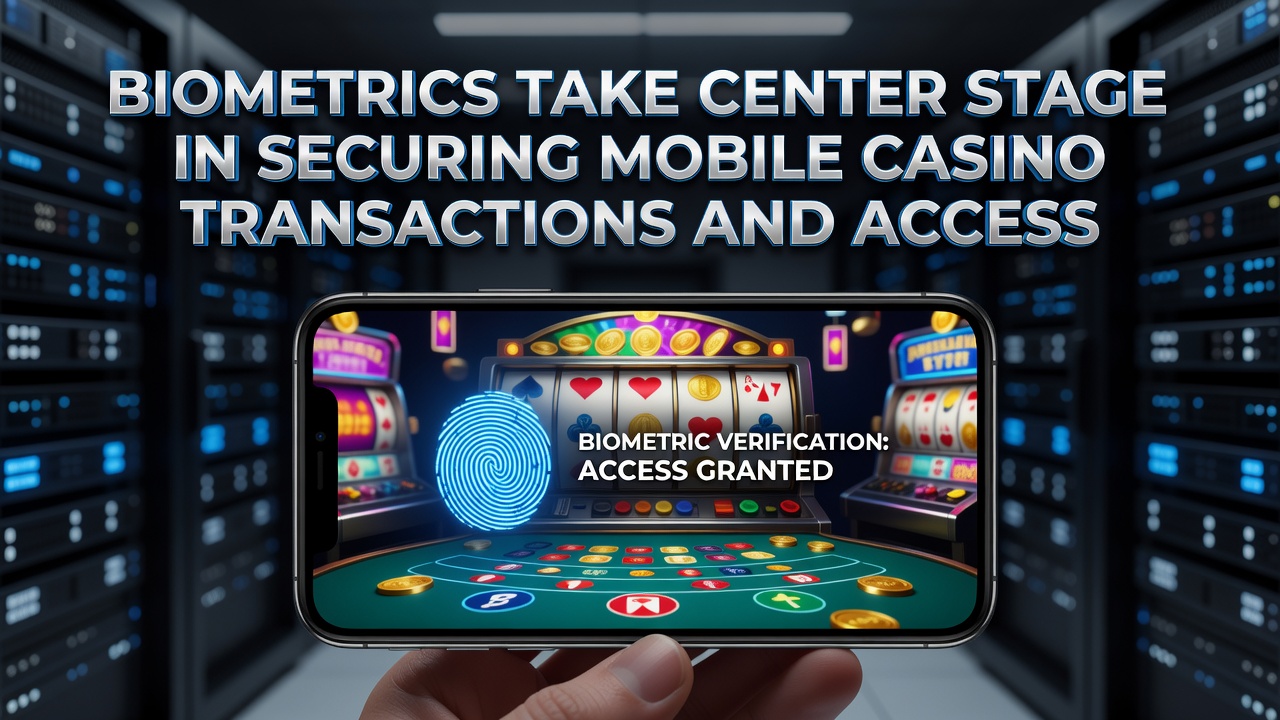
Biometric authentication systems now handle a growing share of mobile casino logins and payment verifications as operators integrate fingerprint scanners, facial recognition, and voice patterns into their platforms. These technologies replace or supplement traditional passwords and PIN codes, which creates faster access while reducing opportunities for unauthorized entry. In August 2026 operators reported higher adoption rates across both Android and iOS devices, driven by hardware improvements that allow accurate readings even in varied lighting conditions.
How Biometric Systems Operate in Casino Environments
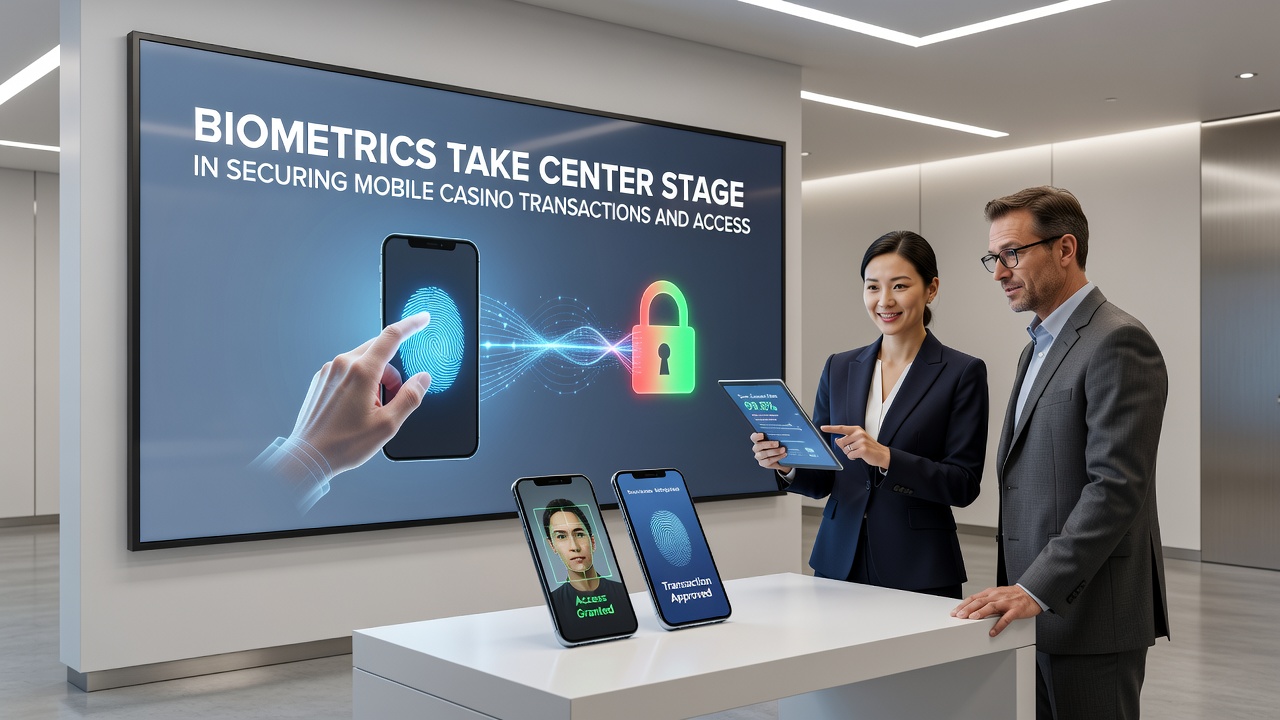
Mobile casino applications capture biometric data during initial registration, then compare live scans against stored templates each time a user attempts to log in or approve a transaction. Fingerprint sensors read ridge patterns on the device screen, while facial recognition uses infrared dots and cameras to map facial geometry. Voice authentication records short phrases spoken into the microphone and matches them against pre-enrolled samples. These processes run locally on the device in many cases, which limits the amount of raw data sent over networks and reduces exposure to interception.
Payment flows benefit when biometric checks replace manual entry of card details or one-time codes. A player initiates a deposit or withdrawal, the app prompts for a quick scan, and the transaction proceeds once the match succeeds. This approach shortens the time between request and confirmation, while maintaining compliance records that regulators require for audit trails.
Adoption Trends Across Regions
North American operators expanded biometric options after hardware upgrades in flagship smartphones improved accuracy rates. European markets followed with similar rollouts, although data protection rules shaped how long templates could remain stored on servers. Australian platforms tested voice-based systems for players who prefer hands-free verification during live dealer sessions. Industry reports from the American Gaming Association show that biometric login usage climbed steadily through mid-2026, particularly among users who access accounts multiple times per week.
Security Advantages and Technical Limitations
Biometric methods lower risks associated with stolen credentials because physical traits cannot be easily copied or shared. Fraud detection teams note fewer account takeover attempts when fingerprint or facial checks gate both access and high-value transfers. Multi-factor combinations that pair biometrics with device location or behavioral signals add further layers without requiring extra user steps.
Yet limitations persist. Some users experience false rejections when lighting changes or when fingers are wet, which forces fallback to alternative verification methods. Template storage raises privacy questions, although many systems convert scans into irreversible mathematical representations rather than keeping photographic images. A study published by researchers at the University of Nevada, Las Vegas examined error rates across different phone models and found that newer sensors handled edge cases more reliably than earlier generations.
Regulatory and Industry Responses
Regulators in multiple jurisdictions updated guidelines to address biometric data handling in gambling applications. Requirements now cover consent language, data retention periods, and breach notification timelines. Operators responded by adopting encryption standards that protect templates both in transit and at rest. Trade groups circulated best-practice documents that outline how to balance security gains against user privacy expectations.
Technical vendors supply software development kits that integrate with existing casino platforms. These kits support fallback protocols when a primary biometric fails, such as switching from facial recognition to fingerprint without interrupting the session. Testing protocols include simulated attacks that attempt to spoof sensors with photos or recordings, which helps developers strengthen anti-spoofing measures before wider release.
Future Developments in Biometric Integration
Developers explore continuous authentication that monitors subtle changes in grip pressure or typing rhythm during play. Such systems could detect account sharing or device handover in real time. Integration with wearable devices offers another avenue, where heart rate patterns or skin conductivity might serve as additional signals. Research continues into liveness detection techniques that confirm the biometric sample comes from a living person rather than a replica.
Conclusion
Biometric authentication has moved from optional feature to standard component in many mobile casino systems. Data indicates improved transaction security and streamlined user flows, while ongoing refinements address accuracy and privacy concerns. As hardware capabilities advance and regulatory frameworks mature, these methods are positioned to remain central to mobile casino access and payment verification strategies.