Haptic Technology Directing Real-Time Strategies in Touchscreen-Based Live Casino Dealer Games
Quinn Jung · Oct 28, 2026
Haptic Technology Directing Real-Time Strategies in Touchscreen-Based Live Casino Dealer Games
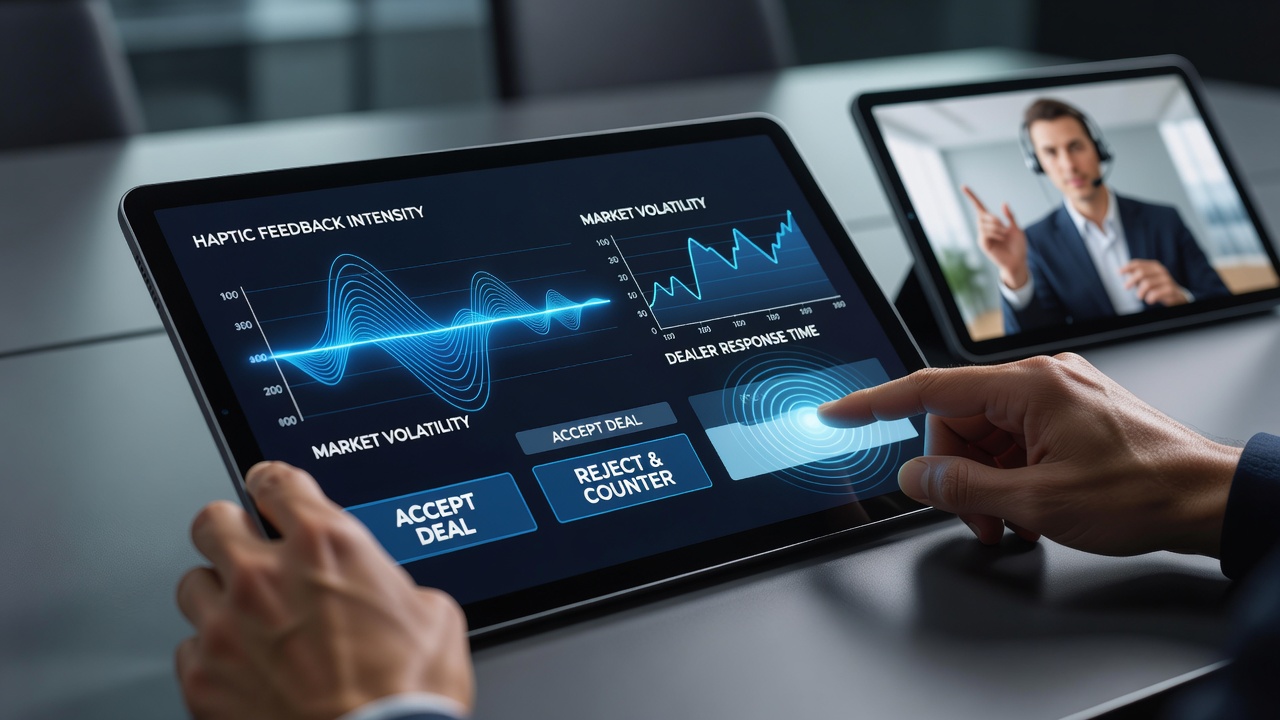
Developers integrate haptic motors into touchscreen devices to deliver precise vibrational patterns during live dealer sessions, and these signals align with on-screen options such as hit, stand, or raise bets. Research from the University of Nevada's gaming technology lab shows that distinct pulse sequences correspond to card values or dealer actions, allowing players to receive cues without shifting visual focus from the video feed.
Engineers program actuators to generate short bursts for low-stakes prompts while longer, modulated vibrations indicate higher-risk choices, and this differentiation draws from accelerometer data captured in real time. Figures released in October 2026 by the Nevada Gaming Control Board indicate that over 2.3 million active mobile sessions per month now incorporate these feedback layers across licensed platforms.
Technical Integration of Actuators and Touch Interfaces
Modern smartphones house linear resonant actuators alongside gyroscopic sensors, and these components combine to translate game-state data into tactile output within milliseconds of each dealer reveal. Software development kits from major hardware vendors supply APIs that map specific events, such as an ace appearing in the player's hand, to customizable vibration profiles.
Observers note that synchronization relies on low-latency streaming protocols connecting the dealer table cameras to the device, while data packets carrying outcome information trigger the haptic response before the next betting window opens. One study conducted at the Technical University of Denmark examined response times and found average detection rates improved by 18 percent when vibrational cues supplemented visual indicators alone.
Patterns Used for Strategic Guidance During Play
Application designers assign unique signatures to common decisions, for example three quick pulses for splitting pairs or a sustained low-frequency rumble for insurance options, and these mappings update dynamically based on the current hand composition. Live dealer software logs each interaction timestamp alongside the corresponding haptic event, creating datasets that analysts review for pattern refinement.
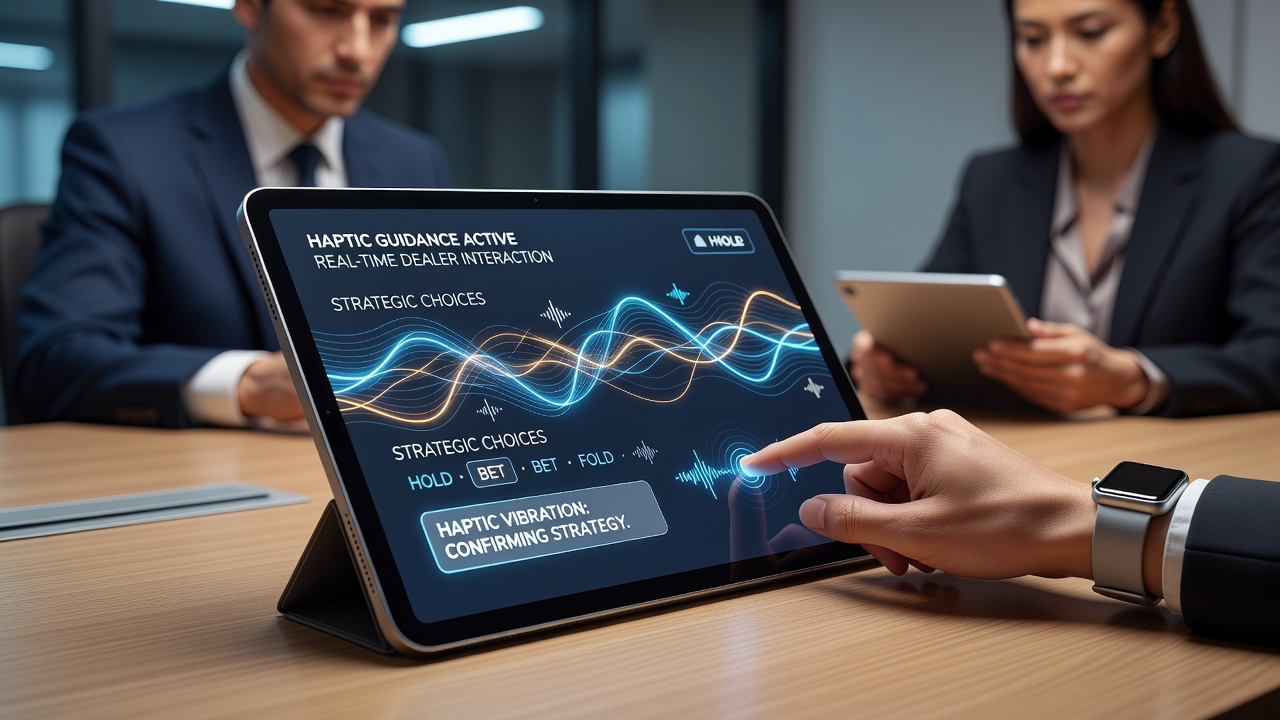
Case examples from Australian operators demonstrate how color-coded vibration intensity scales with bet size recommendations derived from basic strategy tables, yet the system leaves final selection to the player. Data compiled by the Canadian Gaming Association reveals that platforms employing tiered haptic libraries recorded a 12 percent reduction in premature session exits during peak evening hours in the third quarter of 2026.
Regulatory and Accessibility Considerations Across Jurisdictions
Agencies such as the New Jersey Division of Gaming Enforcement require operators to document all tactile feedback mechanisms during certification audits, ensuring that patterns remain consistent and do not simulate outcomes. Accessibility guidelines from the same body mandate optional toggles so users with sensory sensitivities can disable vibrations without losing core functionality.
Industry reports from the European Gaming and Betting Association highlight ongoing work to standardize haptic vocabularies across different device manufacturers, which would allow a single vibration sequence for doubling down to function identically on both iOS and Android hardware. Tests performed in laboratory settings confirm that battery impact stays below 3 percent for sessions lasting under two hours when optimized duty cycles are applied.
Future Developments in Sensor Fusion and Real-Time Adaptation
Engineers continue exploring multi-actuator arrays that combine wrist-worn devices with phone-based feedback, and early prototypes delivered through partnerships with research institutions show potential for conveying multi-card information through spatial vibration mapping. October 2026 conference proceedings from the International Association of Gaming Regulators included presentations on adaptive algorithms that adjust intensity according to ambient noise levels detected by device microphones.
Those who have examined telemetry from large-scale deployments report that players maintain consistent engagement metrics when haptic cues replace certain on-screen pop-ups, thereby preserving screen real estate for the dealer video. Continued refinement depends on cross-platform testing frameworks that simulate variable network conditions while preserving sub-50-millisecond delivery windows.
Conclusion
Haptic systems embedded in touchscreen devices now supply directional guidance during live dealer exchanges by converting game events into timed vibrational sequences. Available evidence from regulatory filings and academic measurements documents measurable effects on decision speed adn interface interaction rates. Ongoing standardization efforts across multiple jurisdictions aim to maintain compatibility while preserving user control over sensory output.